
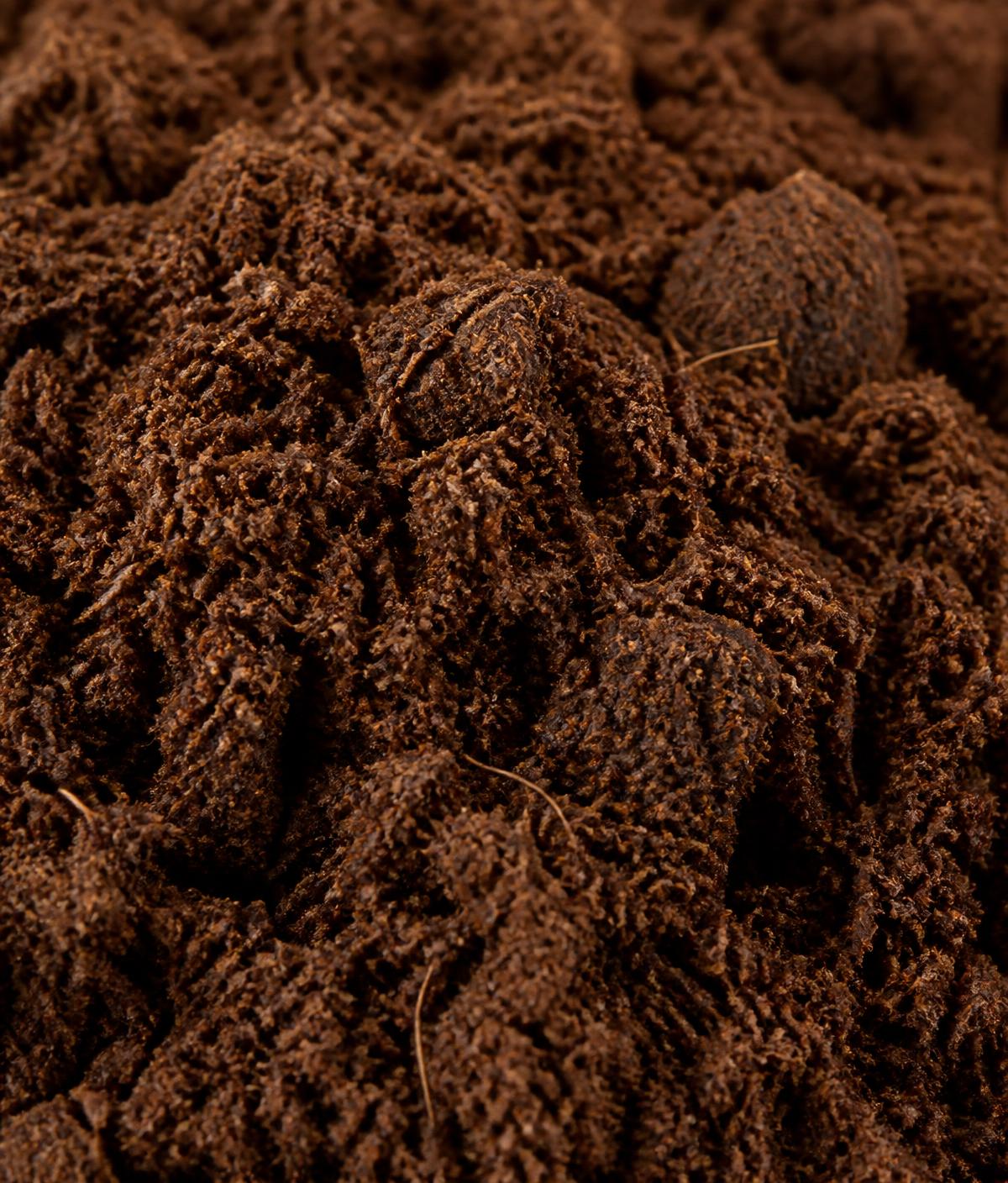
Coco coir is used everywhere today - greenhouses, hydroponics, berry farms, containers. Most growers trust it because it's consistent and easy to work with.
Why Particle Size Quietly Controls How Your Coco Coir Performs
Coco coir is used everywhere today - greenhouses, hydroponics, berry farms, containers.
Most growers trust it because it's consistent and easy to work with.
But inside that coco coir, one detail quietly controls how the crop performs: particle size.
Coco Coir Is Never Just One Material
It's a mix of fine peat, short fibres, and coarser husk particles.
How these are balanced decides what happens in the root zone, long before fruit appears.
Two things matter most:
• Water-holding capacity (WHC)
• Air-filled porosity (AFP)
Why Water-Holding Capacity Matters
Higher WHC comes mainly from finer coco peat fractions, which hold moisture around the roots between irrigations.
That steady moisture supply supports better fruit sizing and reduces stress during warm or dry conditions.
But moisture alone doesn't build yield.
Why You Still Need the Coarse Fraction
Without enough coarse particles, air movement slows. Oxygen struggles to reach the roots.
Over time, the media can compact and stay wet for too long, even when irrigation looks correct.
That's why coarser fractions matter:
• They create pore space
• Improve drainage
• Keep oxygen flowing through the root zone
This aeration prevents oversaturation and keeps roots active throughout the crop cycle.
What This Looks Like in Berry Crops
Berry crops make this balance very clear.
Blueberries respond best when coco coir:
• Holds moisture without staying heavy
• Drains quickly after irrigation
• Keeps its structure stable over long cycles
When fine particles support WHC and coarse particles maintain aeration, roots grow evenly, nutrient uptake stays steady, and fruit development becomes more uniform.
When the Balance Is Missing
Growers usually feel it mid-season:
• Irrigation schedules change
• Fertigation gets adjusted
• Flushing becomes more frequent
Not because the crop changed. Because the substrate behaved differently.
What a Well-Designed Blend Looks Like
Well-designed coco coir blends combine:
• Enough fine material for moisture stability
• Enough coarse material for airflow
• Low dust to protect structure over time
When that balance is right, growers see:
• Healthier roots
• Better fruit size and firmness
• More uniform yields
• Fewer mid-cycle corrections
Wrapping Up
In berry production, success with coco coir isn't about pushing harder. It's about starting with a substrate that manages water and air together, every single day.
Because when the root zone stays balanced, yield follows naturally.
Want a coco coir blend built around your crop's water-air balance?
Reach out to Arjuna Exports →